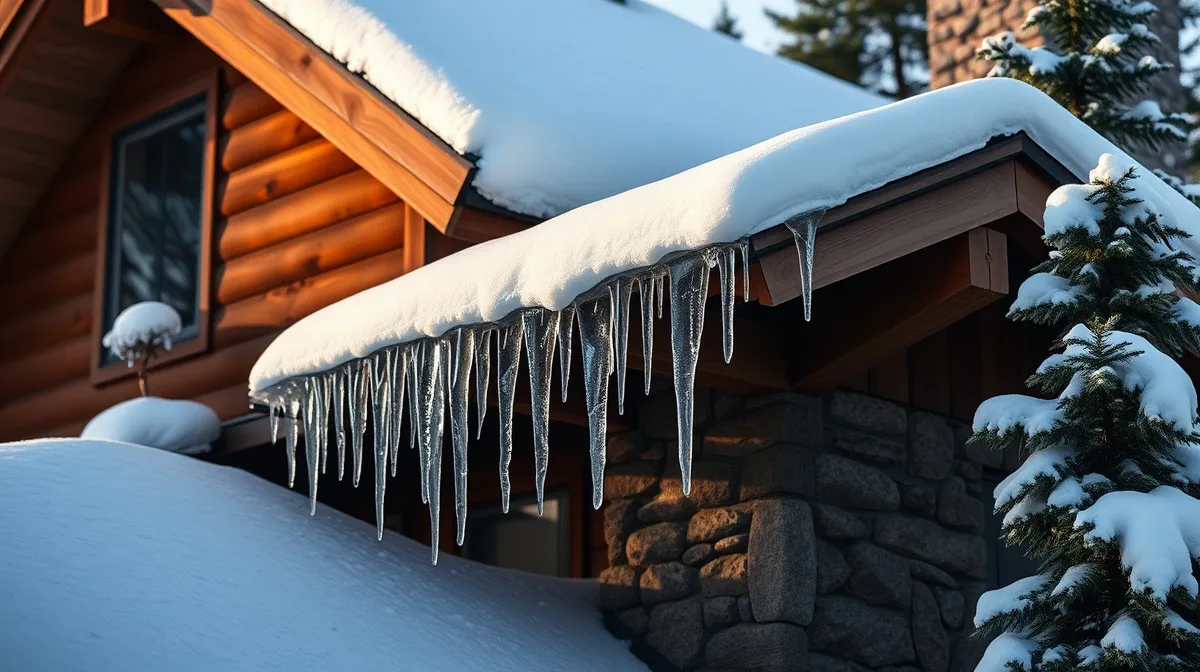
Winterizing Your Durango-Area Vacation Home: A Freeze-Protection Guide
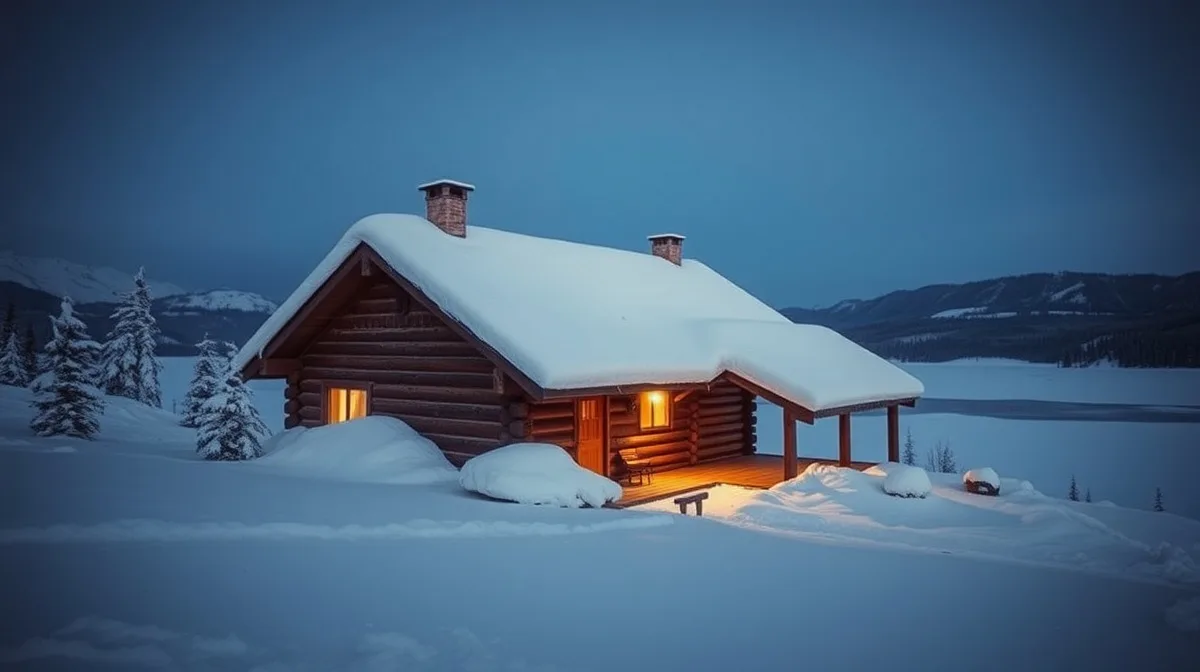
A vacation home has one risk a full-time residence doesn't: nobody's there. If a pipe starts weeping at a fitting in a full-time home, someone usually notices within a day. In a second home near Durango or out at Vallecito Lake that sits empty for two, four, six weeks at a stretch through the winter, that same weeping fitting can turn into a full burst pipe, a failed furnace, and thousands of gallons of water sitting inside walls and under floors for weeks before anyone opens the door and finds it. Insulation and air-sealing don't replace a working heating system, but they're the buffer that determines how much time you have if something goes wrong while nobody's watching.
Why the Second-Home Market Around Durango Carries Real Freeze Risk
The second-home and vacation-property market around Durango is substantial, and it's genuinely seasonal in a way that matters for freeze protection. Vallecito Lake is the clearest example: the area's population swings from roughly 2,000 people in summer down to only 400 to 500 year-round residents once the season turns. Properties around the Purgatory ski corridor see a similar pattern in reverse — busy in winter for ski season, but often sitting empty on the shoulder seasons and midweek stretches between visits. Either direction, the common thread is the same: long windows where a home is unoccupied, with no daily attention, relying entirely on a furnace, a thermostat setting, and whatever insulation is already in the walls to keep pipes, framing, and finishes from freeze damage.
What Happens When a Vacant Home's Furnace Fails
This is the scenario that should drive every winterizing decision for a property that sits empty: the furnace fails, or the power goes out, or a thermostat setting gets bumped, and nobody is there to notice for days or weeks. In a well-insulated, well-air-sealed home, the building envelope itself slows the rate of heat loss dramatically — the house holds residual warmth longer, and even with no active heat, interior temperatures drop more gradually toward outdoor conditions. In a poorly insulated, leaky home, indoor temperature can crash toward outdoor temperature far faster, and at 6,512 feet with January lows commonly near 12°F, that's more than enough to freeze exposed plumbing in a matter of hours, not days. Insulation is not a substitute for a functioning heating system, but it is the difference between a furnace failure being a problem you catch on your next visit and one that causes catastrophic water damage before anyone knows something's wrong.
The Three Areas That Matter Most for a Vacant Property
Crawl Space
An uninsulated or poorly sealed crawl space is one of the most common sources of frozen pipes in a vacant home, because cold outside air can move freely underneath the living space and directly around plumbing runs. Closed-cell spray foam applied to crawl space walls, targeting a typical industry-standard R-30-plus range, seals out that cold air movement and keeps the space around pipes meaningfully warmer and more stable — which matters most exactly when nobody's there to run extra heat tape or leave a faucet dripping.
Rim Joist
The rim joist, where the floor framing sits on top of the foundation wall, is one of the most commonly overlooked heat-loss points in any home, and it's an even bigger liability in a property that sits vacant. It's a direct, continuous air-leak path around the entire perimeter of the house, and it's often thin enough that batt insulation barely covers it, let alone seals it. Closed-cell foam insulates and air-seals this assembly in a single application, closing off one of the fastest routes for a vacant home's interior heat to escape.
Attic
A vacant home loses heat upward the same way an occupied one does, just with nobody around to notice the furnace working harder and harder to keep up. Bringing the attic up to La Plata County's R-49 minimum and air-sealing the ceiling plane slows that heat loss significantly, which matters more, not less, when the thermostat is set low for an extended absence and there's less margin for error. On log and timber-frame vacation properties — a real and active building style in this area, with builders like DC Builders, PrecisionCraft, and Durango-based Log Homes of the South working in the region — cathedral ceilings and post-and-beam roof assemblies are especially hard to insulate with batts. Spray foam expands to fill those irregular cavities completely, which is a genuine advantage on the kind of architecture common in mountain vacation homes.
Before the Property Sits Empty: A Practical Checklist
Insulation and air-sealing work best as part of a broader winterizing routine for a property that's going to sit vacant for stretches of the season. None of this replaces professional insulation work, but it's worth having in place alongside it.
- Have crawl space, rim joist, and attic insulation assessed and upgraded before the first extended vacancy of the season — not after a freeze event already happened.
- Set the thermostat to a consistent minimum temperature rather than turning heat off entirely during absences, and confirm the furnace is serviced and reliable before the season starts.
- Consider a remote temperature or leak-detection sensor that can alert you if indoor temperature drops or moisture is detected while you're away — insulation buys time, but knowing early is what actually prevents damage.
- Ask a neighbor, property manager, or caretaker to physically check the property periodically during long vacancies, especially after severe cold snaps or power outages.
- Shut off and drain exterior hose bibs and any plumbing runs that aren't needed during the vacancy, in addition to insulating the spaces those pipes run through.
Why This Matters More for Log and Timber-Frame Second Homes
Durango's second-home market includes a meaningful number of log and timber-frame properties, a genuine and active local building segment with real regional builders — DC Builders, PrecisionCraft, Durango-based Log Homes of the South, Integrity Timber Frame, and Frontier Log Homes among them. These homes are often built with post-and-beam framing, cathedral ceilings, and irregular log or timber cavities that standard batt insulation was never designed to seal well, leaving gaps that let cold air move freely through the envelope even when the walls technically have insulation in them. That's a bigger liability in a vacant property than an occupied one, because there's no one there to notice the draft, feel the cold spot, or catch a slow leak early. Spray foam's ability to expand and fill irregular cavities completely, sealing air movement as it goes, is a genuine fit for this kind of construction — not a generic upsell, but a real match between the material and the building style common in this market.
A Free Assessment Before the Season Turns
If you own a second home or vacation property in or around Durango, Bayfield, Vallecito Lake, Hermosa, Mancos, Hesperus, or Ignacio, the best time to have insulation and air-sealing assessed is before the property sits empty for the season, not after a freeze event has already caused damage. We'll look at your crawl space, rim joist, and attic, talk through what your specific construction type needs, and give you a firm plan and cost before you head out for the winter.
Frequently asked questions
Insulation and air-sealing slow the rate at which a home loses heat, which matters most when there's no one there to notice a furnace problem or a dropping thermostat. In a well-sealed home, if the heat fails, interior temperatures drop toward outdoor conditions much more gradually — buying days of margin instead of hours before pipes are at risk.
No — insulation is a buffer, not a replacement for a working heating system. It significantly slows heat loss and reduces freeze risk, but a vacant property still needs a reliable furnace, a maintained minimum thermostat setting, and ideally some form of remote monitoring to catch a problem before it becomes a burst pipe.
Vallecito Lake's population swings from roughly 2,000 in summer to only 400 to 500 year-round residents, meaning a large share of homes in the area sit vacant or lightly occupied through the winter. That seasonal pattern is exactly the scenario where insulation and air-sealing matter most, since there's often no one nearby to catch a developing problem early.
Yes — log and timber-frame construction, common among second homes in the Durango area, often has irregular cavities, post-and-beam framing, and cathedral ceilings that batt insulation struggles to seal completely. Spray foam expands to fill those irregular gaps and air-seals as it goes, which is a genuine performance match for this building style, not just a generic upgrade.
Crawl spaces, rim joists, and attics are the three areas that matter most. Crawl spaces and rim joists sit closest to plumbing runs and are common cold-air entry points, while attic heat loss drives the furnace to work harder to maintain the same interior temperature — all three compound the risk when the home is sitting empty and no one's there to notice a developing issue.
Ready for a free quote?
Tell us about your home and we'll build a clear, no-pressure quote.